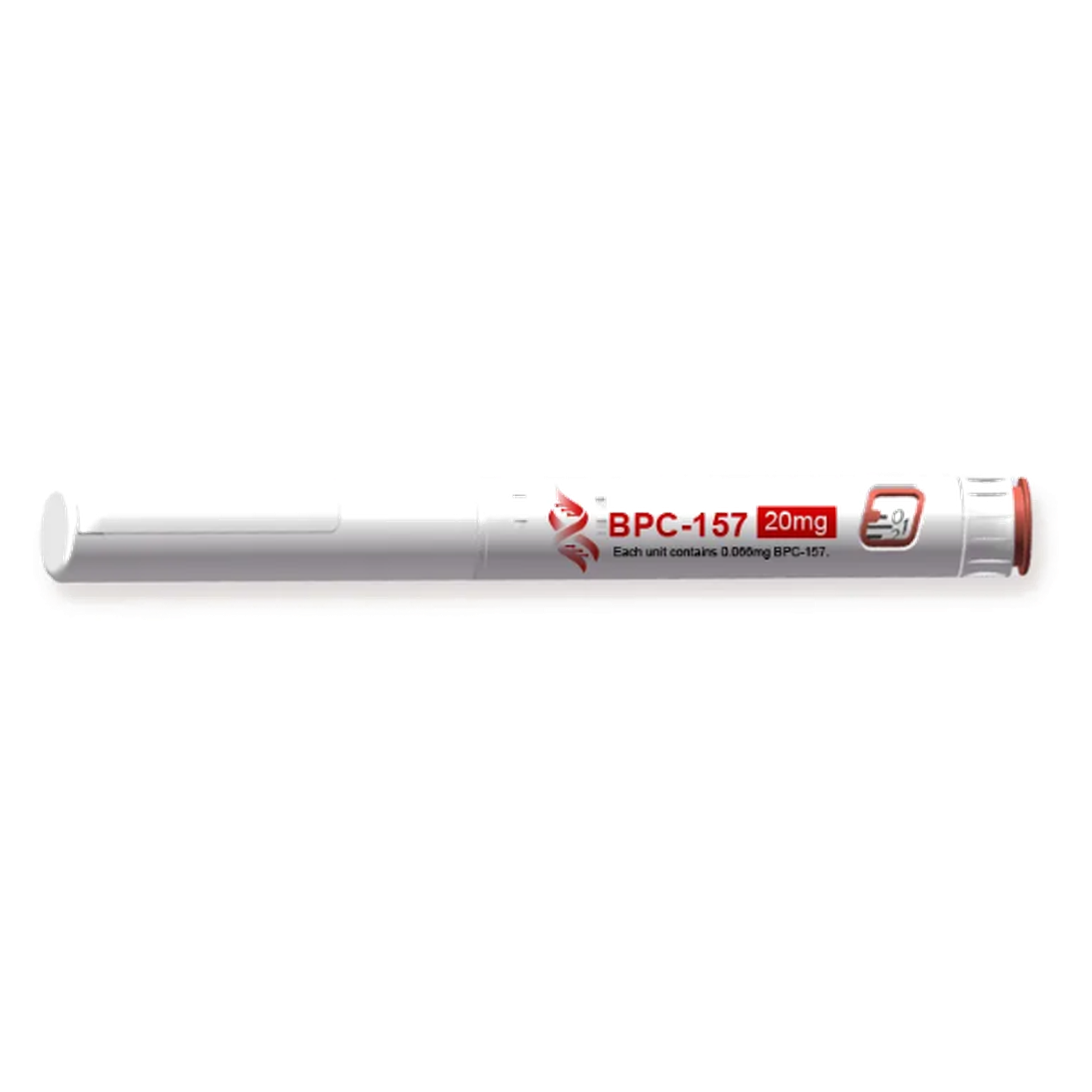
PT-141 / Bremelanotide
Bremelanotide
A melanocortin receptor agonist with an FDA-approved use in a specific population, and separate areas of broader research interest.
What Is PT-141 / Bremelanotide?
Why Is PT-141 / Bremelanotide Being Studied?
- Central nervous system melanocortin receptor signaling
- Sexual desire and arousal pathways (within the approved indication)
- Non-vascular mechanisms of sexual response
- Broader melanocortin pathway research outside the approved indication
How Does It Work?
Bremelanotide activates melanocortin receptors (primarily MC4R) in the central nervous system, a pathway distinct from the vascular mechanisms used by many other sexual-wellness therapies. This receptor activation has been studied for its relationship to sexual desire signaling in the brain.
Bremelanotide
Central melanocortin receptor (MC4R) activation
CNS sexual desire signaling pathways
Clinical outcomes studied within its approved indication
What Does The Evidence Say?
Human Research
Randomized controlled clinical trials supported FDA approval of bremelanotide (Vyleesi) specifically for acquired, generalized hypoactive sexual desire disorder in premenopausal women. Evidence for other uses or populations is more limited and considered investigational.
Preclinical Research
Preclinical pharmacology research characterized melanocortin receptor binding and central nervous system activity prior to and alongside human trials.
What We Don't Know Yet
Evidence outside the specific FDA-approved indication and population (for example, use in men or for other purposes) is considerably more limited, and effectiveness and safety in those contexts has not been established through the same rigorous trial process.
Areas of Research
Sexual Wellness
The approved indication for bremelanotide centers on hypoactive sexual desire disorder in a defined population.
Why Might Someone Discuss This With Their Provider?
Someone evaluating options for sexual desire concerns, or interested in melanocortin receptor pharmacology more broadly, may want to understand both the approved and investigational contexts for this compound.
Whether a therapy is appropriate depends on individual health history, medications, goals and clinician evaluation.
Important Considerations
Bremelanotide (brand name Vyleesi) is FDA-approved specifically for acquired, generalized hypoactive sexual desire disorder in premenopausal women. Use outside that approved indication and population, including PT-141 formulations offered for other purposes, is not FDA-approved for that use.
This compound's one clearly approved use is narrow and population-specific. Any use outside that context should be discussed as an individualized, off-label decision with a licensed healthcare provider, who can review appropriateness, risks, and alternatives.
Research & References
No references have been added for this entry yet. This library is updated on an ongoing basis.
The Peptide User Guide is provided for educational purposes and is not intended to diagnose, treat, cure, prevent, or provide individualized medical advice. Research surrounding many peptides and investigational therapies continues to evolve, and the strength of evidence varies significantly between compounds and applications. Treatment decisions should be made in consultation with a qualified healthcare professional.