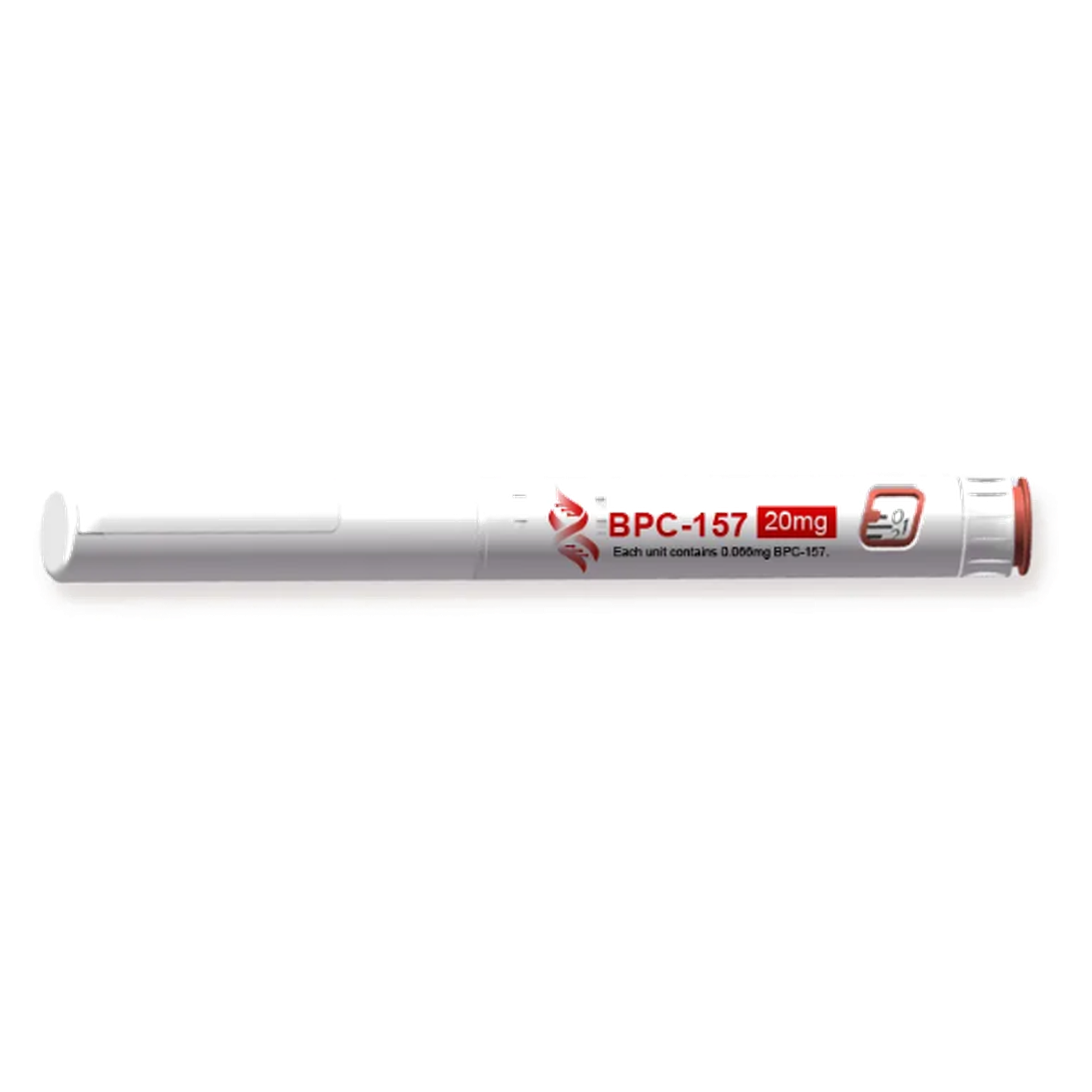
NAD+
Nicotinamide Adenine Dinucleotide
A naturally occurring coenzyme central to cellular energy production, studied for its relationship to fatigue, aging, and metabolic function.
What Is NAD+?
Why Is NAD+ Being Studied?
- Cellular energy production (ATP generation)
- DNA repair pathway support
- Age-related NAD+ decline
- Metabolic function and mitochondrial health
How Does It Work?
NAD+ serves as an essential cofactor for enzymes involved in converting nutrients into usable cellular energy, as well as for enzymes called sirtuins and PARPs that are involved in DNA repair and cellular stress response. Researchers have studied how maintaining or restoring NAD+ levels may support these foundational cellular processes.
NAD+
Cofactor for energy metabolism, sirtuin & DNA repair enzymes
Cellular energy production & repair processes
Vitality & aging-related outcomes under study
What Does The Evidence Say?
Human Research
Human studies, including some clinical trials of NAD+ precursors, have examined safety and effects on markers such as blood NAD+ levels, though evidence linking supplementation directly to specific health outcomes is still developing.
Preclinical Research
Extensive laboratory and animal research has characterized NAD+'s role in cellular metabolism, aging biology, and DNA repair, forming a strong foundational science base.
What We Don't Know Yet
Whether direct NAD+ administration produces different outcomes than raising NAD+ through precursor molecules, and what the optimal long-term approach looks like for specific wellness goals, remain active research questions.
Areas of Research
Cellular Energy
NAD+'s role in ATP production is foundational to its research interest.
Longevity
Age-related decline in NAD+ levels has made it central to aging and longevity research.
Why Might Someone Discuss This With Their Provider?
Someone interested in fatigue, cellular health, or longevity science may encounter NAD+ while researching foundational metabolic support therapies.
Whether a therapy is appropriate depends on individual health history, medications, goals and clinician evaluation.
Important Considerations
NAD+ administered as a peptide/Auto Pen formulation is not an FDA-approved drug product for any specific indication.
While NAD+ biology is well characterized, evidence for specific administered formulations and dosing in wellness contexts remains early-stage. Discuss any interest in NAD+-based therapies with a licensed healthcare provider.
Related Peptides
MOTS-C
A mitochondria-derived peptide studied for its proposed role in cellular energy regulation and metabolic signaling.
Epithalon
A synthetic pineal-derived tetrapeptide studied primarily in laboratory settings for its proposed role in telomerase activity and cellular aging research.
Research & References
No references have been added for this entry yet. This library is updated on an ongoing basis.
The Peptide User Guide is provided for educational purposes and is not intended to diagnose, treat, cure, prevent, or provide individualized medical advice. Research surrounding many peptides and investigational therapies continues to evolve, and the strength of evidence varies significantly between compounds and applications. Treatment decisions should be made in consultation with a qualified healthcare professional.