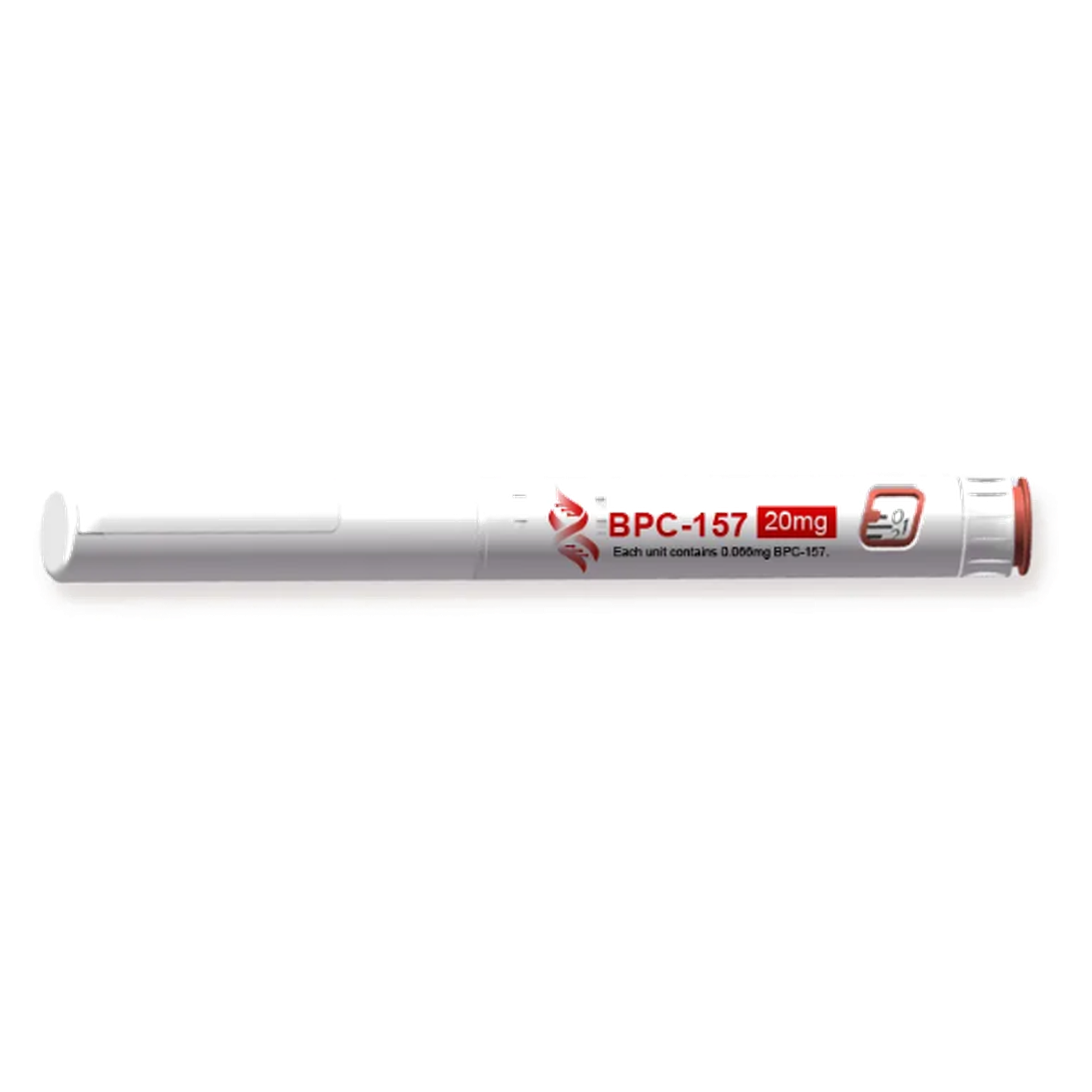
CJC-1295 / Ipamorelin
CJC-1295 (GHRH analog) combined with Ipamorelin (growth hormone secretagogue)
A two-peptide combination studied for its potential role in supporting the body's natural growth hormone release pathways.
What Is CJC-1295 / Ipamorelin?
Why Is CJC-1295 / Ipamorelin Being Studied?
- Growth hormone pathway stimulation
- Sleep architecture and restorative sleep
- Lean body composition
- Recovery following physical training
How Does It Work?
CJC-1295 is proposed to extend the half-life of growth hormone releasing hormone signaling at the pituitary, while Ipamorelin is thought to mimic ghrelin and stimulate a separate growth hormone release pathway. Together, researchers have theorized these two mechanisms may produce an additive effect on growth hormone pulses, though the combined formulation has not been studied as extensively as each peptide alone.
CJC-1295 + Ipamorelin
Pituitary GHRH & ghrelin receptor pathways
Growth hormone pulse release
Downstream effects on recovery & body composition under study
What Does The Evidence Say?
Human Research
Ipamorelin and CJC-1295 individually have been studied in small human pharmacology studies examining growth hormone secretion. Human data specifically on the combined 10mg/10mg formulation is limited.
Preclinical Research
Animal and in-vitro research has examined receptor binding and growth hormone secretagogue activity for both components separately.
What We Don't Know Yet
Long-term safety of combined use, optimal dosing, and whether combining the two peptides provides meaningfully different outcomes than either alone in humans remain open questions.
Areas of Research
Muscle & Body Composition
Growth hormone pathway activity has been studied in relation to lean mass and fat metabolism.
Sleep
Growth hormone release is linked to deep sleep stages, an area of interest for this combination.
Recovery
Researchers have explored whether growth hormone secretagogues may support post-exercise recovery.
What's Inside?
CJC-1295
A growth hormone releasing hormone (GHRH) analog studied for its potential to extend the duration of growth hormone pulses.
Ipamorelin
A selective growth hormone secretagogue studied for stimulating growth hormone release through ghrelin receptor pathways.
Why Are These Combined?
CJC-1295 and Ipamorelin act on two distinct parts of the growth hormone release pathway. Researchers have explored whether pairing a GHRH analog with a ghrelin-receptor-based secretagogue produces a more pronounced pulse of growth hormone than either peptide alone. Evidence supporting an individual ingredient does not automatically establish evidence for this specific combined formulation.
Evidence for an individual ingredient does not automatically establish evidence for this combined formulation.
Why Might Someone Discuss This With Their Provider?
Someone interested in longevity, recovery, or growth hormone pathway research may come across this combination while exploring secretagogue-based peptide therapies.
Whether a therapy is appropriate depends on individual health history, medications, goals and clinician evaluation.
Important Considerations
Neither CJC-1295 nor Ipamorelin is FDA-approved for any indication. This combined formulation is not an FDA-approved drug product.
Growth hormone pathway peptides can influence blood sugar and other hormone levels. Evidence for the specific combined formulation is limited, and individual ingredient research does not automatically establish evidence for the combination. Discuss any growth hormone secretagogue with a licensed provider before considering it.
Related Peptides
Tesamorelin
A growth hormone releasing hormone analog with a narrow FDA-approved indication for visceral fat reduction in a specific patient population.
Sermorelin
A growth hormone releasing hormone fragment with a longer research and clinical history than many newer growth hormone secretagogues.
Ipamorelin
A selective growth hormone secretagogue studied for its potential role in supporting the body's natural growth hormone pulses.
Research & References
No references have been added for this entry yet. This library is updated on an ongoing basis.
The Peptide User Guide is provided for educational purposes and is not intended to diagnose, treat, cure, prevent, or provide individualized medical advice. Research surrounding many peptides and investigational therapies continues to evolve, and the strength of evidence varies significantly between compounds and applications. Treatment decisions should be made in consultation with a qualified healthcare professional.